
First year of serious training: every month brings new power numbers, faster times, better results. Progress is visible, measurable, constant.
Second year: gains slow down. You're still improving, but the jumps are smaller.
Third year: you hit the same numbers you hit six months ago. You train just as hard. Maybe harder. But nothing moves.
Welcome to the plateau.
The Dopamine Crisis
Early progress is addictive. Every FTP test shows gains. Every race is a new personal best. Your brain gets used to regular positive feedback.
Then adaptation slows. You're closer to your genetic ceiling. The easy gains are gone. Now improvement comes from years of patient work, not months of hard training.
But your brain doesn't understand this.
It just knows the dopamine hits from measurable progress have stopped. And when those stop, the anxiety starts.
The Spiral Begins
You train harder. If six hours a week isn't working, maybe eight will. If eight doesn't work, maybe ten.
You add more intensity. If three hard days aren't enough, maybe four. If four don't work, maybe five.
You experiment with everything. New intervals. Different nutrition. Supplements. Gadgets. Anything that might unlock the next level.
None of it works. Because you're not undertrained. You're probably overtrained.
But backing off feels like giving up.
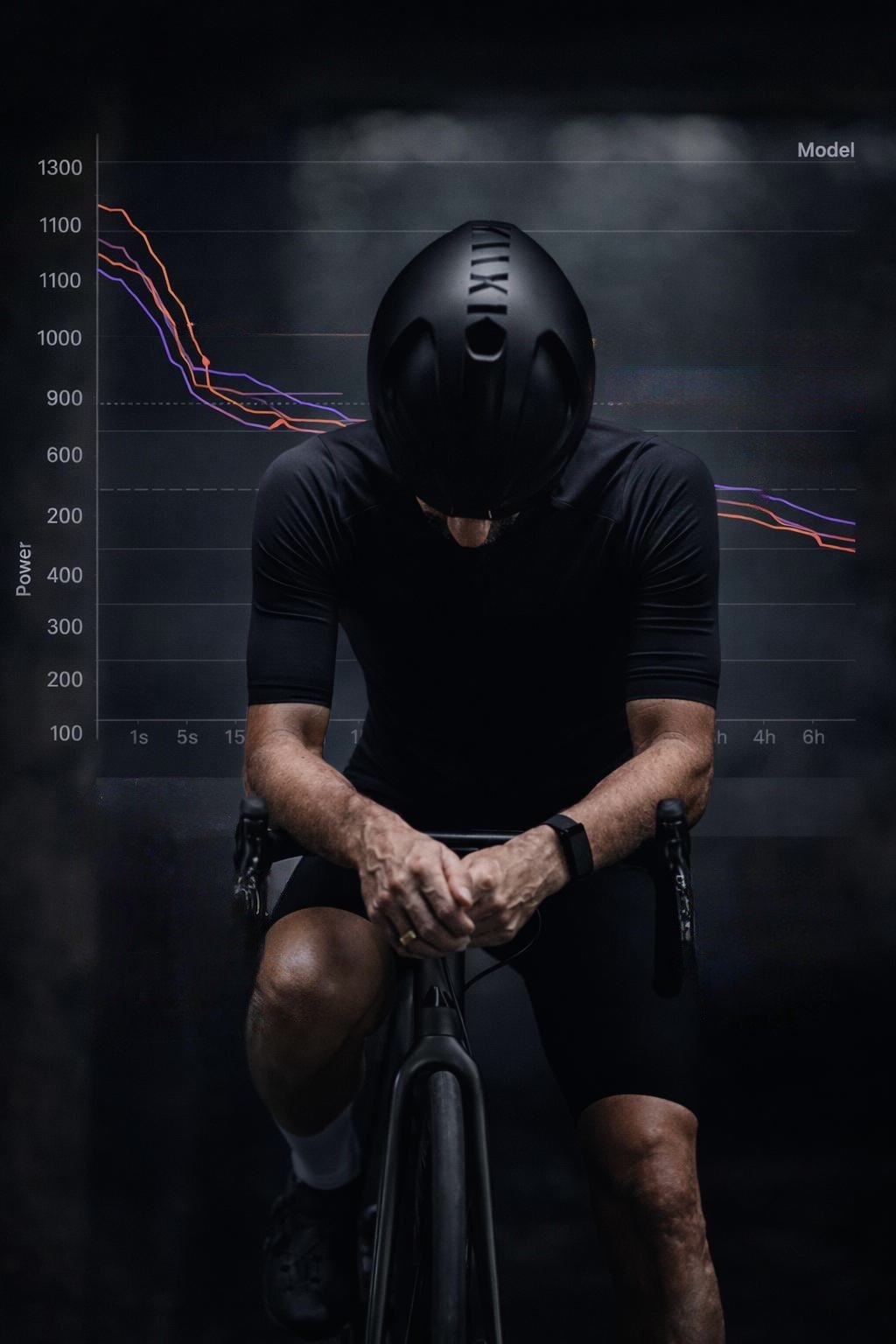
The Comparison Problem Returns
It gets worse when you see others still progressing. New riders joining your group and getting faster. Teammates improving while you stagnate. People posting breakthrough results while you're stuck.
Your brain interprets this as falling behind, even if you're actually at a higher level than they are. They're getting dopamine from progress. You're getting anxiety from its absence.
So you train even harder, sleep even less, stress even more.
What's Actually Happening
Plateaus happen for real physiological reasons. You've adapted to your training stimulus. Your body needs either more time at the current load, a different stimulus, or sometimes less volume to allow deeper adaptation.
But there's a psychological component nobody talks about: your response to the plateau often makes it worse.
When progress stops and anxiety rises, your stress hormones elevate. Sleep quality drops. Recovery suffers. Your immune system weakens. Training quality deteriorates even as training volume increases.
You're creating a stress environment that prevents the very adaptations you're chasing.
The Data Trap
Power meters, heart rate monitors, training platforms—they've revolutionized endurance training. They also create a problem.
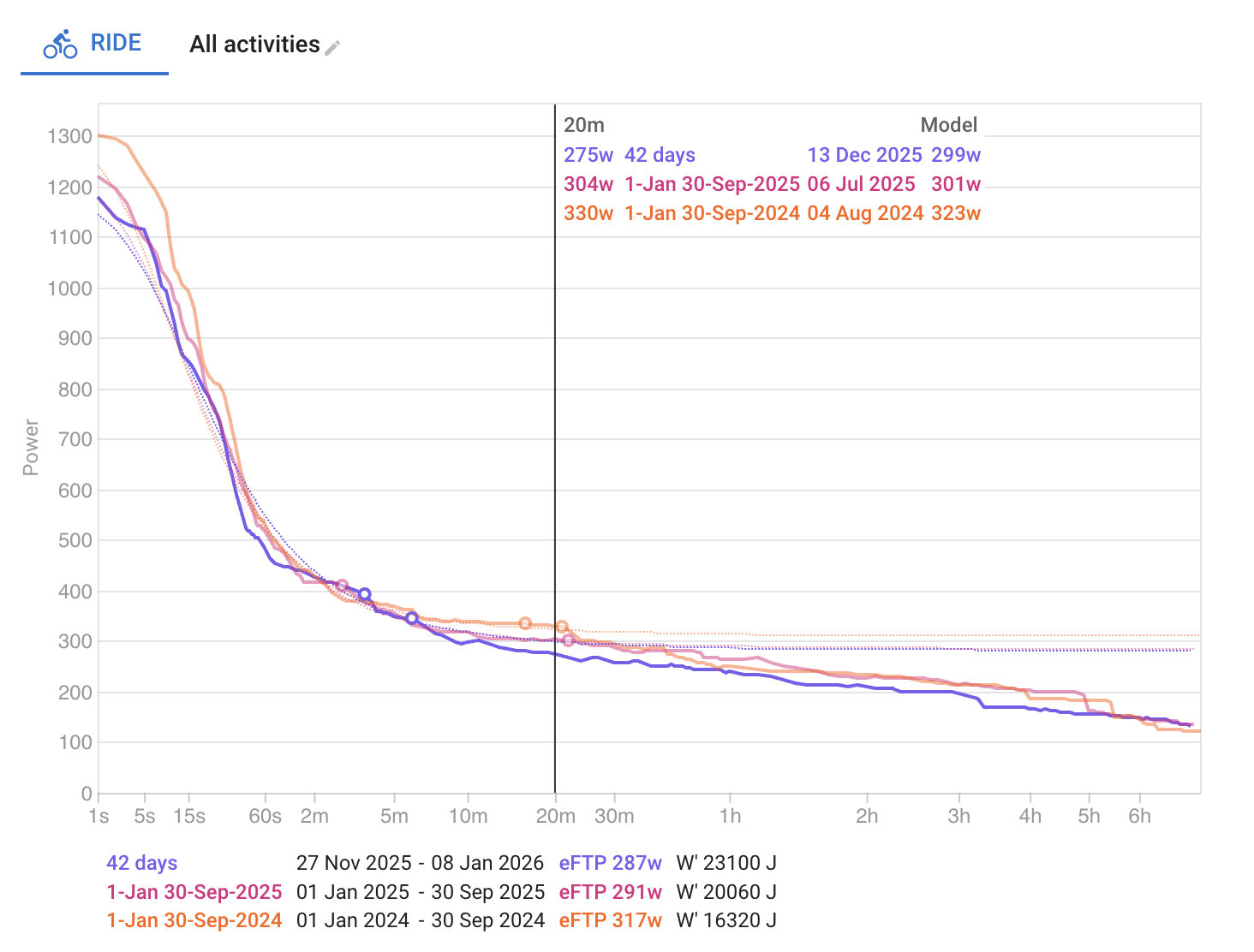
Every ride generates data. Every week shows trends. Every month invites comparison to the last month. You're constantly measuring whether you're progressing.
When you're improving, this is motivating. When you plateau, it becomes a source of daily disappointment.
Each training file that doesn't show progress triggers a small stress response. Do this daily for months, and you're in a chronic state of low-grade anxiety.
The Breakthrough Myth
There's a pervasive belief in endurance sports: if you just find the right training approach, you'll break through. The perfect interval protocol. The ideal volume. The magic supplement.
Sometimes this is true. But often, plateaus don't break because of what you add. They break because of what you remove: the chronic stress, the constant comparison, the desperate search for progress.
The athletes who break through plateaus aren't always the ones who found the perfect training plan. Sometimes they're just the ones who stopped being anxious about it.
Signs You're Making It Worse
Training volume keeps increasing but performance doesn't
You feel tired before sessions even start
Sleep is poor despite being physically exhausted
You're irritable, anxious, or depressed
Minor illnesses happen frequently
You dread training but can't stop
Every training file feels disappointing
You're constantly researching new approaches
These aren't signs you need to train harder. They're signs your response to the plateau is preventing adaptation.
What Actually Breaks Plateaus
Accept the timeline
Elite development takes 8-10 years. If you're three years in and not progressing monthly anymore, you're not behind. You're on schedule. The question is whether you can tolerate that.
Change the focus
Instead of chasing numbers, focus on consistency. Can you train well for 12 weeks straight without illness or injury? That's progress even if FTP doesn't move.
Reduce the stress response
Sometimes the best thing for performance is caring less about performance. Not trying less—caring less. Train well, recover properly, then let go of the outcome.
Try actual rest
Not a recovery week. A real break. Two weeks of easy riding or different activity. Let your nervous system actually recover. Often performance improves not from the break itself, but from returning without the accumulated stress.
Question the approach
Maybe you don't need more volume. Maybe you need less. Maybe you don't need more intensity. Maybe you need more consistency at moderate load. The answer isn't always "more."
The Real Challenge
You already know how to work hard. That's not your limitation.
The challenge is whether you can keep training well when it's not producing visible results. Whether you can maintain consistency without the dopamine feedback of constant improvement.
This is where most athletes fail. Not because they can't work hard enough. Because they can't tolerate working hard without regular validation.
The plateau isn't just testing your physiology. It's testing whether you can do difficult work without needing it to feel rewarding.
That's a different kind of strength.