
You finish a hard race block. Your coach says take three easy days. You agree. You know you need it.
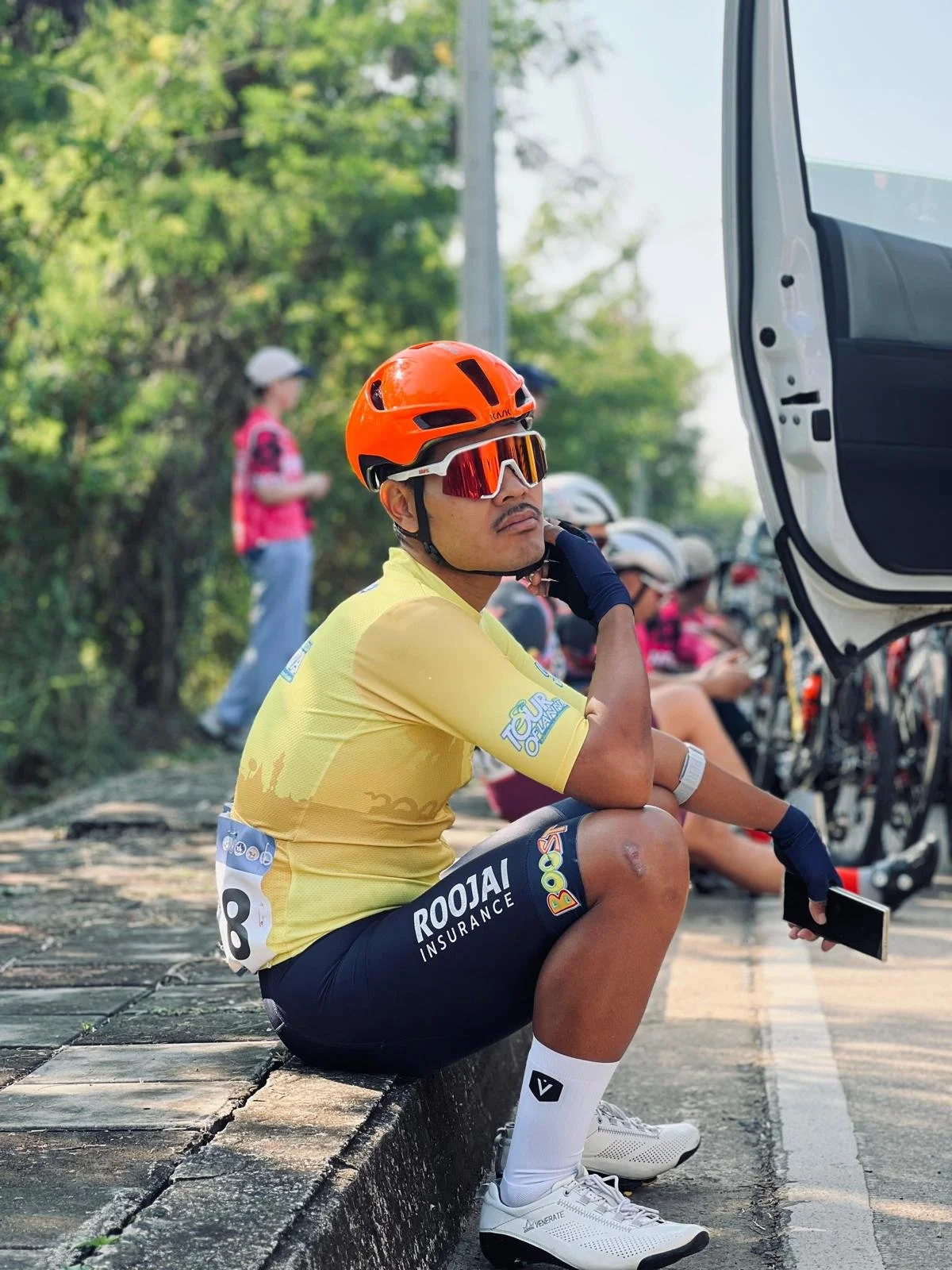
Day one: you're restless by noon. Checking your phone every ten minutes. Scrolling Strava, comparing power numbers, watching race highlights. The evening feels endless.
Day two: you go out for an "easy spin" that turns into threshold intervals because riding slow feels like doing nothing.
Day three doesn't happen. You're back to normal training because sitting still was unbearable.
Sound familiar?
The Racing High
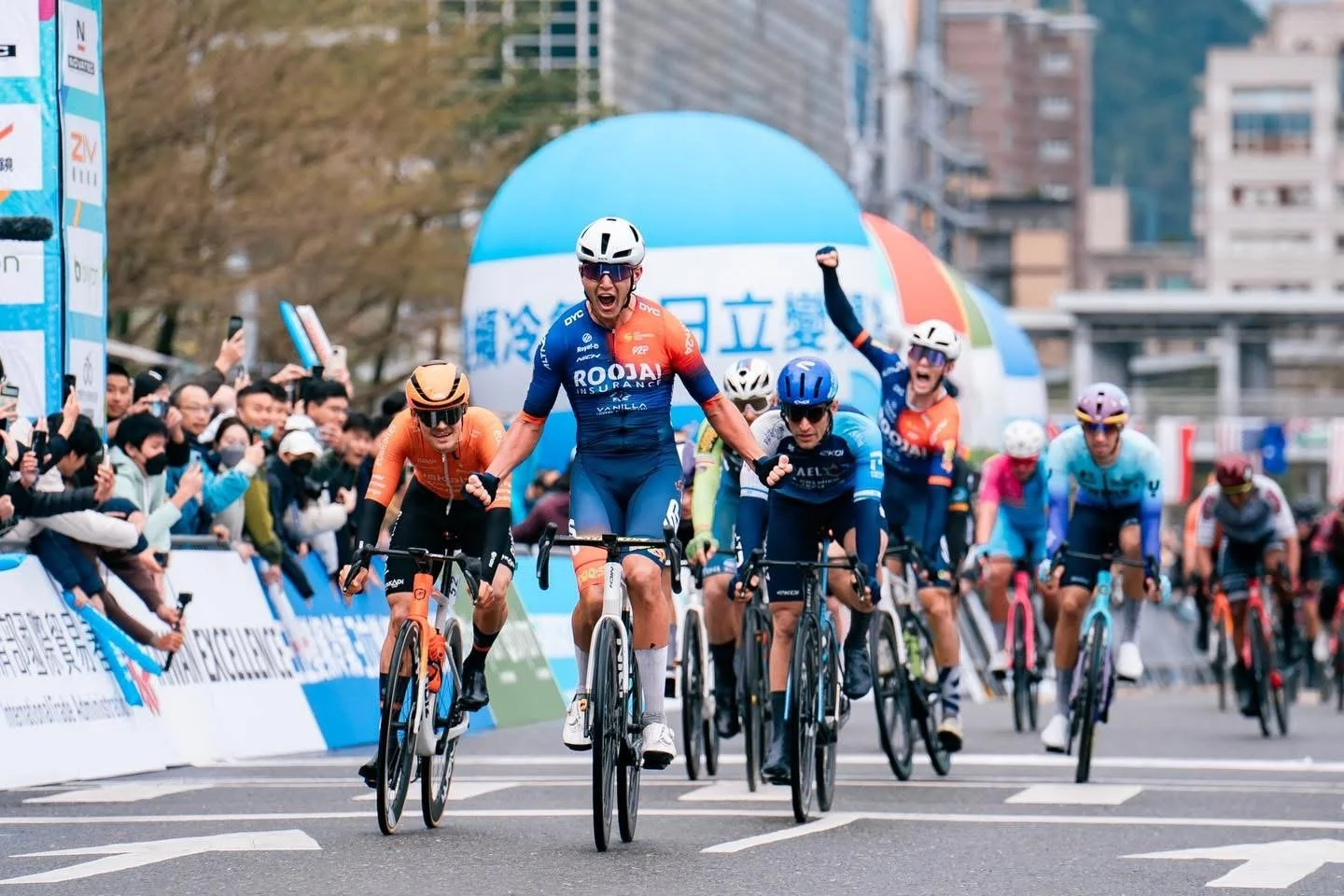
Competition does something to your brain. The start line nerves, the effort, the tactical decisions, the finish—your system floods with dopamine, adrenaline, norepinephrine. You feel alive, focused, purposeful.
Racing regularly? Training hard consistently? Your brain adapts to expect these hits. It becomes your baseline.
The Crash
Then the stimulus disappears. Off-season. Recovery week. Injury. Suddenly there's nothing feeding that system.
And your brain doesn't know what to do with normal life anymore.
So you fill the void: scrolling Instagram for hours, gaming, impulsive decisions, anything to feel something. Or you overtrain because rest feels like anxiety. Or you get depressed because nothing else gives you that sense of purpose that racing did.
This isn't weakness. It's neurochemistry.
Why This Matters
The athletes who improve year over year aren't necessarily the ones who can suffer hardest in races. They're often the ones who can handle boring base training, who can actually rest when needed, who don't need constant intensity to feel okay.
The uncomfortable truth: your ability to tolerate low-stimulation periods might matter more for long-term development than your ability to go deep in competition.
What Actually Helps
I'm not going to give you some "dopamine detox protocol" or tell you to delete your phone. That's not realistic for athletes managing training data, communicating with coaches, and staying connected to their sport.
What works:
Structure your downtime. Rest days need a plan too. If there's no training session to anchor your day, create other anchors. Otherwise you'll just drift into your phone or back onto the bike.
Recognize the pattern. When you're restless, anxious, compulsively checking things during a recovery period—you're not going crazy. Your brain is just missing its usual input. Knowing this helps.
Find other sources of satisfaction. Not dopamine hits—actual satisfaction. Building something, learning something unrelated to sport, time with people you care about. The stuff that feels meaningful even when it's not exciting.
Question your "easy" days. If you can't ride easy without turning it into intervals, you might need more than physical recovery. Your nervous system might be the thing that's actually fried.
The Real Challenge
Sport teaches you to push through discomfort. To ignore your body's signals when they say "stop." To find another gear when you think you're empty.
But managing your dopamine system requires the opposite: listening when your brain says it needs actual rest, backing off when everything in you wants more stimulation, accepting that sometimes boring is exactly what you need.
That's harder than any interval session.
Peter Pouly coaches endurance athletes with a focus on sustainable performance.